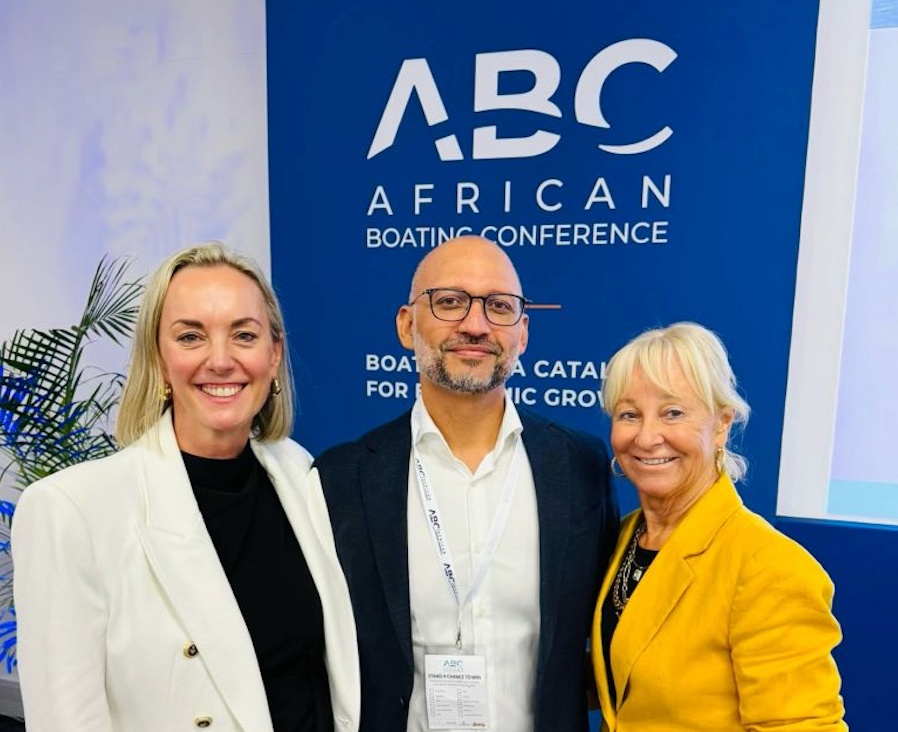
Southern Africa has the natural beauty, extraordinary marine biodiversity, cultural diversity and sense of adventure to become one of the world’s most compelling superyacht cruising destinations. However, unlocking this potential will require greater regional collaboration, clearer charter regulations, improved marine infrastructure and a coordinated approach to international marketing. While the Mediterranean and Caribbean remain the traditional centres of the global superyacht charter market, Southern Africa and the wider Indian Ocean region have an opportunity to attract owners and guests seeking more adventurous, less conventional cruising experiences. The African Boating Conference in Cape Town was an opportunity to bring a Seychelles perspective to the discussions shaping our region’s superyacht sector. APSA member Mervyn Esperon, representing Uncharted Yachting in the Seychelles, described the importance of government engagement, industry cooperation and clear policies in developing confidence among international yacht operators.
According to Esperon, “One of the most important things we can do is create clarity and consistency between destinations. If we can connect the different governments and align the information and procedures that owners, brokers and captains need, we make it much easier for yachts to commit to cruising in the region. We have extraordinary experiences to offer, but the journey must also be practical and predictable. It was an honour to share the platform with MaryAnne Edwards and Veda Pretorius, united by a passion for developing Africa’s boating industry and strengthening connections between our destinations.” From a yacht agent’s perspective, regulatory clarity must go hand in hand with investment in marinas and shoreside infrastructure. Owners, captains and charter brokers need clear customs procedures, tax obligations and charter authorisation requirements, including the distinction between private cruising and commercial charter operations.
Predictable clearance and approval processes will give superyachts the confidence to plan seasonal deployments, develop charter programmes and commit to the region for more than a single visit. Across Africa and the Indian Ocean, our destinations offer complementary cruising grounds and guest experiences. Stronger regional coordination, reliable shoreside support and closer links with the Middle East and other established yachting markets can help turn that potential into viable cruising itineraries. Remote island exploration, exceptional marine wildlife and access to destinations rarely experienced by conventional tourists were identified as particularly attractive elements of the regional offering. The discussion also reinforced the potential for superyacht tourism to support a high-value, lower-volume tourism model, if development is carefully managed and environmental considerations remain central.
Although Southern Africa is unlikely to replicate the Mediterranean or Caribbean charter markets soon, its potential lies in developing a differentiated offering centred on exploration, adventure, wildlife, culture and access to remote destinations. The opportunity is to build a credible alternative cruising region rather than compete directly with established markets on the same terms. Achieving this will require sustained cooperation between governments, marina developers, tourism authorities, yacht agents, charter companies and marine service providers.